distech controls thermostat manual

Distech Controls Thermostat Manual: A Comprehensive Guide
Distech Controls thermostats, LonMark-certified, offer precise temperature management. Cooling ranges span 54°F to 100°F (12°C to 37.5°C), while heating operates from 40°F onwards.
Distech Controls has established itself as a prominent innovator in building automation, specializing in energy management and advanced control solutions. Their thermostats represent a core component of these systems, designed to optimize comfort and efficiency within diverse environments – from commercial buildings and healthcare facilities to educational institutions and hospitality venues.
These thermostats aren’t simply temperature regulators; they are intelligent devices capable of sophisticated communication and integration. A key differentiator is their LonMark certification, signifying adherence to an open, standardized protocol for building automation systems. This ensures seamless interoperability with other LonMark-enabled devices, fostering a holistic and responsive building management ecosystem.
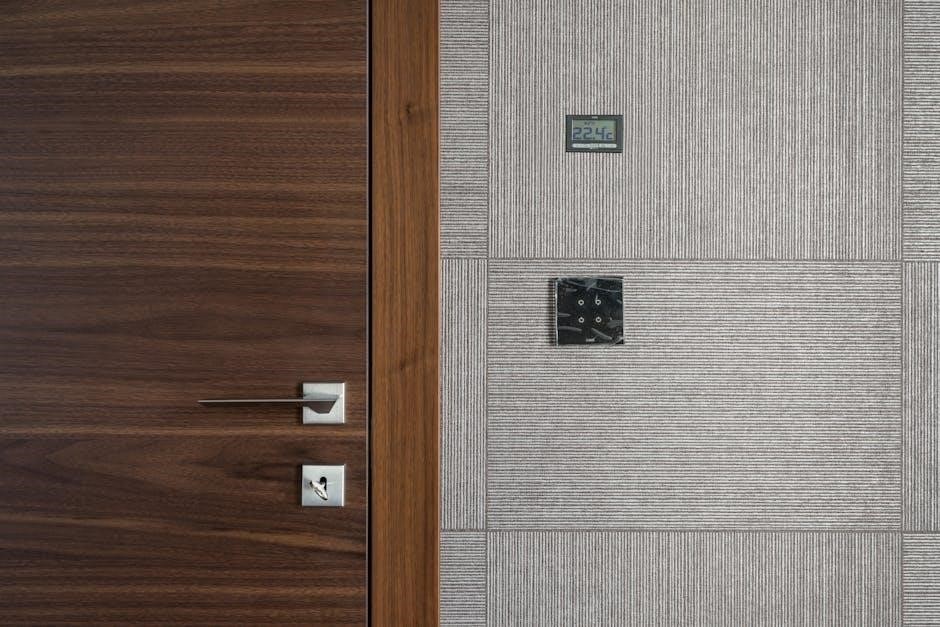
Distech thermostats offer a broad spectrum of models, catering to varied application needs. From basic, user-friendly interfaces to advanced, feature-rich controllers, the range accommodates diverse user skill levels and project requirements. They are engineered for precise temperature control, contributing to significant energy savings and enhanced occupant comfort. Understanding the capabilities of these thermostats is crucial for maximizing building performance and minimizing operational costs.
Understanding LonMark Certification & Communication
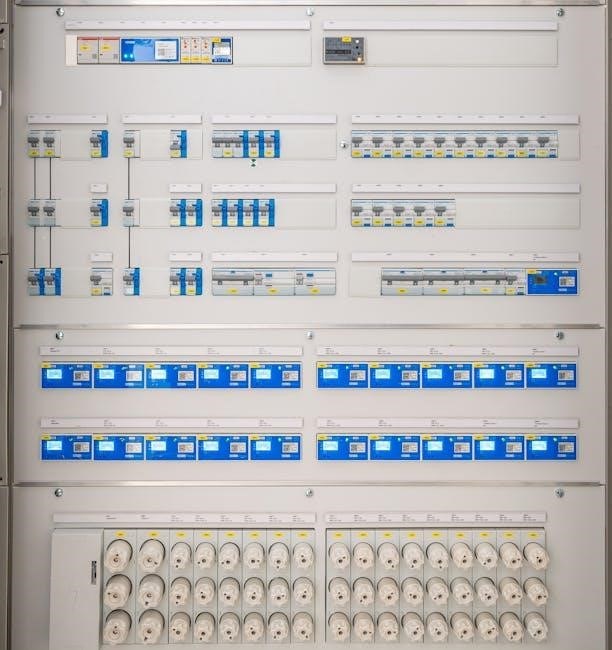
LonMark certification is a critical aspect of Distech Controls thermostats, guaranteeing interoperability within building automation systems. This open protocol, based on ANSI/EIA-709.1, allows devices from different manufacturers to communicate effectively, creating a unified and responsive control network.
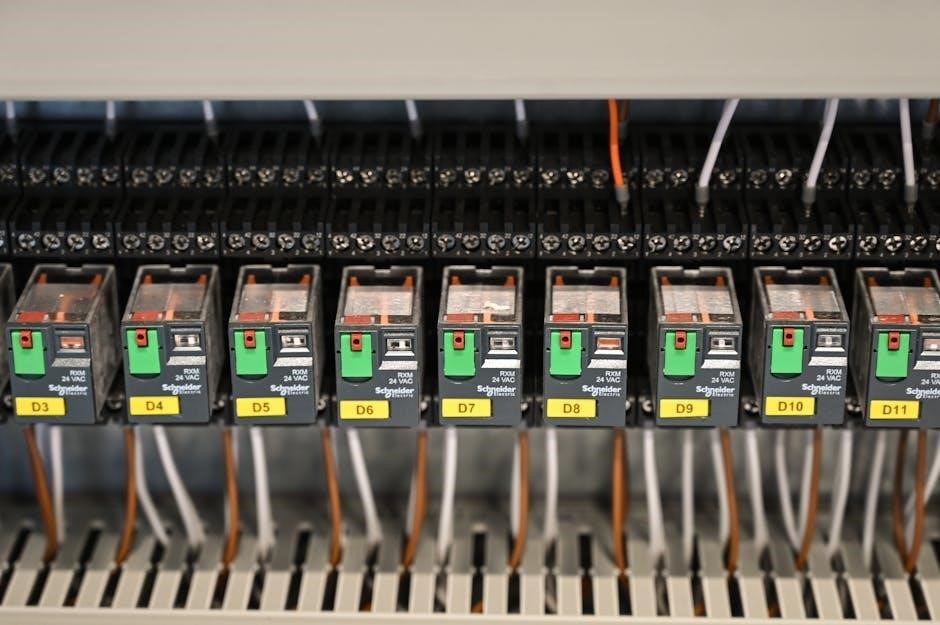
The core of LonMark communication lies in the Network Layer, utilizing a robust messaging system. Each device possesses a unique address, enabling targeted communication and efficient data exchange. Distech thermostats leverage this to share temperature readings, setpoint adjustments, and operational status with the broader building management system (BMS).
Benefits of LonMark include reduced installation costs, simplified system integration, and enhanced flexibility. Unlike proprietary systems, LonMark avoids vendor lock-in, allowing building owners to choose best-of-breed components. Furthermore, the standardized nature of LonMark facilitates easier troubleshooting and maintenance. Distech’s commitment to LonMark ensures their thermostats seamlessly integrate into modern, intelligent building infrastructures, promoting energy efficiency and optimized performance.
Key Features of Distech Controls Thermostats
Distech Controls thermostats boast a comprehensive suite of features designed for optimal comfort and energy management. LonMark certification ensures seamless integration into building automation systems, enabling centralized control and monitoring. These thermostats offer precise temperature sensing, with cooling ranges from 54°F to 100°F (12°C to 37.5°C) and heating ranges starting at 40°F.
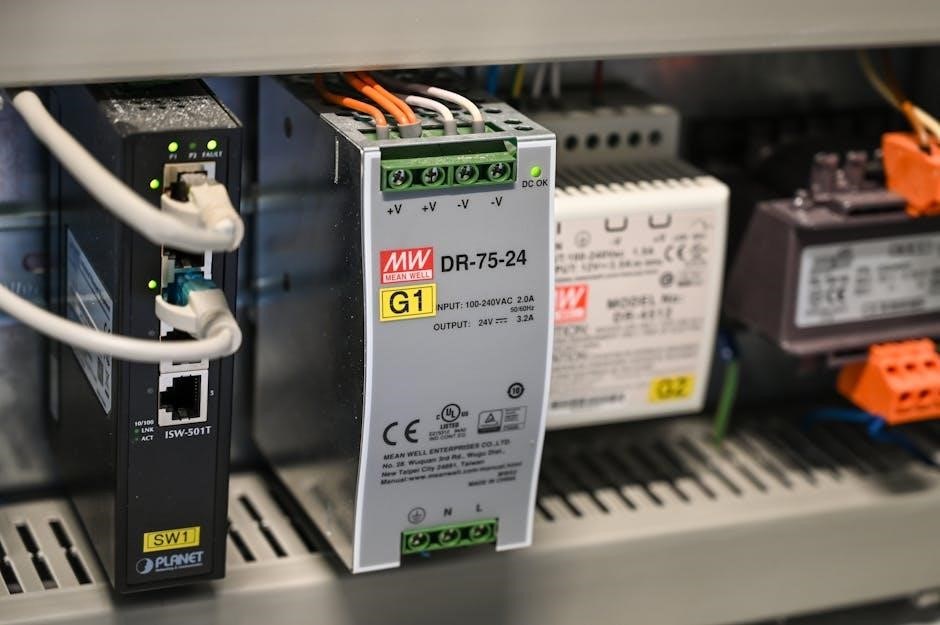
Advanced functionalities include programmable scheduling, allowing customized temperature settings for different times and days. Multiple operating modes – occupied, unoccupied, and setback – further enhance energy savings. The user-friendly interface simplifies navigation and adjustment of settings. EC-Link functionality provides robust communication capabilities.
Beyond basic temperature control, Distech thermostats support override functions for temporary or permanent adjustments. They also feature robust PID control algorithms for optimized heating and cooling performance. These thermostats are designed for versatility, accommodating diverse building types and applications, ultimately delivering a comfortable and efficient indoor environment.
Temperature Sensor Ranges ⸺ Cooling & Heating
Distech Controls thermostats are engineered with precise temperature sensing capabilities, crucial for maintaining optimal comfort and energy efficiency. The cooling temperature range is specifically calibrated from 54°F to 100°F (12°C to 37.5°C), ensuring effective and reliable cooling performance across a broad spectrum of environmental conditions.
Conversely, the heating temperature sensor range begins at 40°F and extends upwards, providing accurate temperature readings for heating systems. This broad range allows for precise control, preventing overheating or underheating, and maximizing energy savings. These sensors are integral to the thermostat’s ability to maintain consistent and comfortable indoor temperatures.
The accuracy of these sensors is paramount, and Distech employs rigorous quality control measures during manufacturing. Proper sensor function is vital for the thermostat’s overall performance and its integration within a LonMark network. Regular calibration checks, as outlined in the full manual, are recommended to maintain optimal accuracy.
EC-Link Functionality and Integration
EC-Link represents Distech Controls’ proprietary communication protocol, facilitating seamless integration of thermostats within broader building automation systems. This robust technology enables efficient data exchange, allowing for centralized monitoring and control of HVAC parameters. Utilizing EC-Link, thermostats can communicate critical information like temperature readings, setpoints, and operational status to a building management system (BMS).
Integration with EC-Link networks simplifies commissioning and troubleshooting. The protocol supports various network topologies, offering flexibility in system design. Furthermore, EC-Link allows for remote access and control, empowering facility managers to optimize building performance from anywhere with network connectivity.
Proper configuration of EC-Link parameters, detailed in the comprehensive manual, is essential for reliable communication. This includes assigning unique device addresses and configuring communication rates. Successful EC-Link integration unlocks advanced features like scheduling, energy reporting, and alarm management, maximizing the benefits of Distech thermostats.
Programming Modes: Occupied, Unoccupied, and Setback
Distech Controls thermostats offer versatile programming modes to optimize comfort and energy efficiency. The Occupied mode maintains the desired temperature settings during periods of building occupancy, ensuring a comfortable environment for users; Conversely, the Unoccupied mode sets back temperatures during unoccupied periods – nights, weekends, or holidays – significantly reducing energy consumption.
The Setback mode provides a middle ground, allowing for a moderate temperature reduction while still maintaining a minimal level of heating or cooling. This is ideal for situations where complete shutdown isn’t desired, but energy savings are still a priority. Users can customize temperature setpoints for each mode, tailoring the system to specific building needs.
The manual details how to seamlessly transition between these modes, either manually or through pre-defined schedules. Proper utilization of these programming options is crucial for maximizing energy savings and maintaining optimal comfort levels within the controlled space. Understanding these modes is key to efficient thermostat operation.
Scheduling Options: Daily & Weekly Programs
Distech Controls thermostats empower users with robust scheduling capabilities, offering both daily and weekly program options for precise temperature control. Daily programs allow for customized settings for each day of the week, accommodating varied occupancy patterns and specific needs. This is particularly useful for buildings with unpredictable schedules or events.
Weekly programs, on the other hand, enable the creation of repeating schedules that apply consistently across all weeks. This simplifies programming for buildings with regular routines, such as standard office hours or consistent weekend closures. Within each program, multiple time periods can be defined, each with its own unique temperature setpoint and mode (Occupied, Unoccupied, or Setback).
The manual provides detailed instructions on creating, editing, and activating these schedules. Users can easily adjust time periods, temperature settings, and modes to optimize comfort and energy efficiency. Mastering these scheduling options is vital for maximizing the benefits of a Distech Controls thermostat system, ensuring a comfortable and cost-effective environment.
Override Functionality: Temporary & Permanent Adjustments
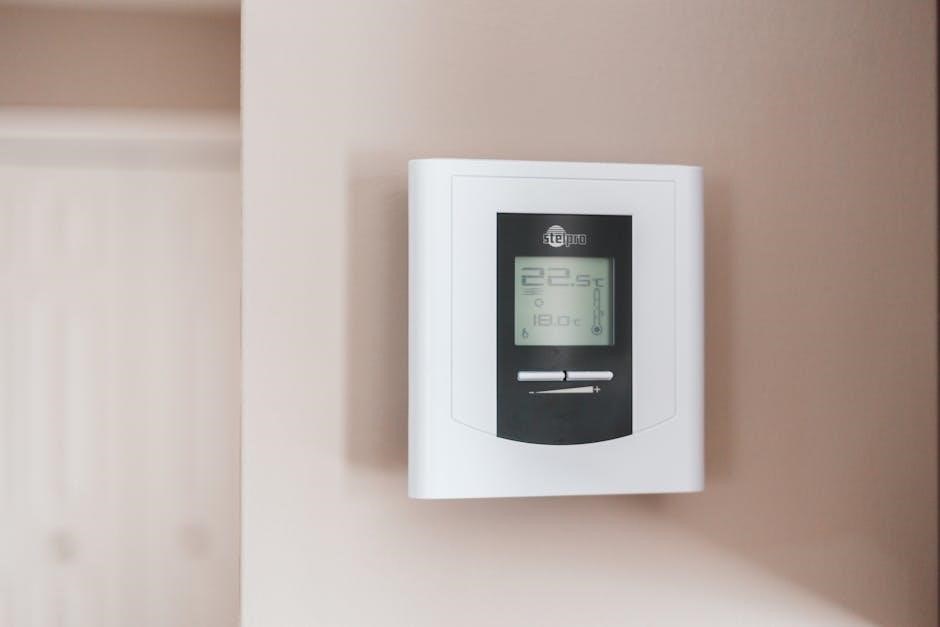
Distech Controls thermostats offer versatile override functionality, allowing users to temporarily or permanently adjust programmed temperature settings. Temporary overrides provide short-term adjustments, ideal for responding to immediate comfort needs or unexpected occupancy changes. These adjustments revert to the scheduled program after a pre-defined duration or the next scheduled time period.
Permanent overrides, conversely, modify the programmed schedule directly, creating lasting changes to the temperature settings. This is useful for adapting to long-term shifts in building usage or occupancy patterns. The manual clearly outlines the procedures for initiating both temporary and permanent overrides, emphasizing the importance of understanding the implications of each option.
Users can typically access override functions through the thermostat’s interface, utilizing intuitive controls to adjust setpoints and modes. Careful consideration should be given when implementing permanent overrides, as they directly impact the long-term energy performance of the system. Proper documentation of all override actions is recommended for maintaining accurate system records.
Display and Interface Navigation
Distech Controls thermostats feature user-friendly displays and intuitive interfaces designed for straightforward operation. The display typically presents critical information such as current temperature, setpoint temperature, operating mode (heating, cooling, or auto), and time. Navigation is generally accomplished through a combination of buttons, a rotary dial, or a touchscreen, depending on the specific model.
The manual provides detailed illustrations and step-by-step instructions for navigating the menu structure. Users can access various settings, including scheduling programs, override functions, and advanced configuration options. The interface is logically organized, grouping related functions together for ease of access. Understanding the display icons and their corresponding meanings is crucial for effective operation.
Many models offer customizable display settings, allowing users to adjust brightness, contrast, and information displayed. The manual emphasizes the importance of familiarizing oneself with the interface layout to maximize efficiency and minimize the learning curve; Clear labeling and consistent button functionality contribute to a positive user experience.
Troubleshooting Common Issues: No Power, Incorrect Temperature
Distech Controls thermostats, while reliable, can occasionally encounter issues. A common problem is a complete loss of power. First, verify the power source – check the circuit breaker and ensure the thermostat is securely connected to its wiring. If power is restored, but the temperature reading is inaccurate, several factors could be at play.
Incorrect temperature readings might stem from the thermostat’s location; avoid direct sunlight or proximity to heat-generating appliances. Calibration may be necessary, a process detailed in the manual, to align the thermostat’s sensor with a known accurate thermometer. Ensure the thermostat isn’t sensing drafts or air leaks affecting readings.
The manual provides a diagnostic checklist for these issues, guiding users through a series of steps to identify and resolve the problem. If these steps fail, consult a qualified HVAC technician. Ignoring persistent inaccuracies can lead to inefficient heating or cooling and increased energy consumption. Always prioritize safety when inspecting electrical connections.
Resetting Your Distech Controls Thermostat
Distech Controls thermostats offer several reset options, ranging from a simple interface reset to a full factory default restoration. A soft reset, performed through the thermostat’s menu, clears temporary settings and cached data, often resolving minor operational glitches without affecting programmed schedules. This is the first step to try when encountering unusual behavior.
For more significant issues, a factory reset restores the thermostat to its original, out-of-the-box configuration. Caution: this will erase all custom programming, including schedules, setpoints, and user preferences. The manual details the specific button combinations or menu sequences required for each reset type, varying slightly by model.
Before initiating a factory reset, document your existing settings to simplify reprogramming. After a reset, re-establish the connection to your LonMark network and carefully reconfigure the thermostat according to your needs. If the reset process doesn’t resolve the problem, or the thermostat fails to respond, professional assistance may be required.
Wiring Diagrams and Installation Considerations
Distech Controls thermostats require careful wiring for optimal performance and safety. The manual provides detailed wiring diagrams specific to each model, illustrating connections for power (24VAC), heating, cooling, and common wires. Proper wire gauge is crucial; consult the manual for recommended specifications to prevent voltage drop and ensure reliable operation.
Installation should be performed by a qualified HVAC technician, adhering to all local electrical codes. Ensure the power supply is disconnected before commencing any wiring. Pay close attention to polarity and terminal designations. Incorrect wiring can damage the thermostat or connected HVAC equipment.
Consider the thermostat’s location; avoid direct sunlight, drafts, and proximity to heat-generating appliances. When integrating with a LonMark network, verify proper bus wiring and termination. Securely mount the thermostat to a standard electrical box, ensuring a flush and stable fit. Always double-check all connections before restoring power.
Commissioning and Configuration with Distech Controls Tools
Distech Controls thermostats are optimally configured using dedicated software tools, streamlining the commissioning process. These tools, often accessible via a computer connection, allow technicians to define specific parameters tailored to the building’s HVAC system. Key configuration elements include setting temperature setpoints, scheduling profiles, and LonMark network addressing.
The software interface provides a user-friendly environment for navigating thermostat settings. It enables precise calibration of temperature sensors, ensuring accurate readings. Advanced features, such as PID control loop tuning, can be adjusted to optimize system performance and energy efficiency. Detailed logs and diagnostic reports are also available for troubleshooting.
Successful commissioning requires a thorough understanding of the HVAC system’s design and operational requirements. Proper configuration ensures seamless integration with the building automation system, maximizing comfort and minimizing energy consumption. Refer to the software documentation for detailed instructions and best practices.
Advanced Settings: PID Control & Optimization
Distech Controls thermostats offer advanced PID (Proportional-Integral-Derivative) control for precise temperature regulation. This feature allows fine-tuning of heating and cooling outputs, minimizing temperature fluctuations and enhancing comfort. Understanding PID parameters is crucial for optimal performance.
The Proportional gain responds to the current error between the setpoint and actual temperature. Integral gain eliminates steady-state errors over time, while Derivative gain anticipates future errors based on the rate of change. Adjusting these gains requires careful consideration of the system’s thermal characteristics.
Incorrect PID settings can lead to instability or sluggish response. Optimization involves iteratively adjusting the gains to achieve a balance between responsiveness and stability. Tools within the configuration software provide real-time monitoring and tuning assistance. Proper PID control significantly improves energy efficiency by reducing unnecessary heating or cooling cycles, leading to substantial cost savings.
Resources and Support: Where to Find More Information
Distech Controls provides comprehensive resources to support users of their thermostats. The official Distech Controls website (www.distech-controls.com) is the primary source for documentation, including detailed manuals, application notes, and software downloads. A dedicated support section offers FAQs, troubleshooting guides, and access to a knowledge base.
For direct assistance, Distech Controls offers technical support via phone and email. Contact information is readily available on their website, categorized by region to ensure efficient service. Additionally, a network of authorized distributors and system integrators provides local expertise and support.
Online forums and communities dedicated to building automation systems can also be valuable resources. These platforms allow users to share experiences, ask questions, and find solutions to common issues. Regularly checking the Distech Controls website for updates and new resources is recommended to stay informed about the latest features and best practices.
Leave a Reply
You must be logged in to post a comment.