voice of freedom pdf download
Voice of Freedom PDF Download: A Comprehensive Guide
Exploring digitized archives and online resources reveals limited direct “Voice of Freedom” PDF downloads. However‚ related materials –
historical broadcasts‚ UNESCO reports‚ and YouTube video transcripts – offer valuable insights.
These sources document the program’s impact and content.
What is “Voice of Freedom”? Historical Context
“Voice of Freedom” (Laisvės balsas in Lithuanian‚ Голоса Свободы in Russian) was a radio program broadcast during the Soviet era‚ primarily aimed at listeners in Lithuania‚ Latvia‚ and Estonia. It wasn’t a single‚ monolithic entity but rather a collective term for various broadcasts originating from Western sources‚ most notably Radio Free Europe/Radio Liberty. These broadcasts served as a crucial lifeline of uncensored information‚ countering Soviet propaganda and offering a platform for dissenting voices.
The historical context is deeply rooted in the Cold War. Following World War II‚ the Baltic states were forcibly incorporated into the Soviet Union. “Voice of Freedom” emerged as a direct response to the suppression of free speech and information within these occupied territories. The broadcasts weren’t simply news reports; they included cultural programming‚ music‚ and messages of hope‚ fostering a sense of national identity and resistance.
The program’s significance lies in its ability to circumvent Soviet jamming and censorship‚ providing an alternative narrative to the official state-controlled media. It became a symbol of defiance and a source of encouragement for those yearning for independence. Understanding this historical backdrop is essential when searching for related documentation‚ as the term encompasses a range of broadcasts with shared goals.
Origins of the “Voice of Freedom” Broadcasts
The genesis of “Voice of Freedom” broadcasts can be traced back to the immediate post-World War II period‚ with initial efforts spearheaded by Western intelligence agencies and émigré communities. Recognizing the Soviet Union’s iron grip on information‚ these groups sought to establish a means of communication with populations behind the Iron Curtain. Early broadcasts were often rudimentary‚ utilizing shortwave radio and relying on volunteer broadcasters.
The initial impetus came from displaced persons (DPs) – refugees and exiles from the Baltic states who had fled Soviet occupation. These individuals possessed firsthand knowledge of the political and social realities within the region and were determined to share this information with those still living under Soviet rule. They formed the core of the broadcasting teams‚ providing linguistic expertise and cultural understanding.
As the Cold War intensified‚ the broadcasts became more sophisticated‚ benefiting from increased funding and technological advancements. The establishment of Radio Free Europe/Radio Liberty in the 1950s provided a crucial infrastructure for these efforts‚ consolidating various broadcasting initiatives under a unified umbrella. These early broadcasts laid the foundation for the widespread dissemination of information that would characterize “Voice of Freedom” throughout the Soviet era.
The Role of Radio Free Europe/Radio Liberty
Radio Free Europe/Radio Liberty (RFE/RL) played a pivotal and defining role in the “Voice of Freedom” broadcasts‚ acting as the primary organizational and logistical backbone. Established during the Cold War as a US-funded‚ privately-operated media organization‚ RFE/RL provided the infrastructure – transmitters‚ studios‚ and personnel – necessary to reach audiences behind the Iron Curtain.
RFE/RL didn’t originate the initial broadcasts entirely; it absorbed and consolidated many existing independent efforts‚ particularly those initiated by émigré communities from Eastern Europe and the Soviet Union. This included significant contributions from Baltic state exiles who were instrumental in establishing the Lithuanian‚ Latvian‚ and Estonian language services.
The organization’s broadcasts were deliberately designed to circumvent state censorship‚ offering news‚ analysis‚ and cultural programming unavailable within the Soviet bloc. RFE/RL’s impact extended beyond simply providing information; it fostered a sense of national identity and provided a platform for dissenting voices. The organization’s Prague headquarters became a symbol of resistance and a vital link to the outside world‚ despite constant jamming attempts by the Soviet authorities.
“Voice of Freedom” and the Cold War
“Voice of Freedom” existed as a direct product of the Cold War‚ functioning as a crucial element in the ideological struggle between the West and the Soviet bloc. The broadcasts were explicitly intended to counter Soviet propaganda and offer an alternative narrative to populations living under communist regimes. This was a period defined by intense geopolitical tension‚ and information control was a key weapon on both sides.
The program’s existence challenged the Soviet Union’s monopoly on information‚ providing a platform for uncensored news and diverse perspectives. This directly threatened the legitimacy of communist governments and fueled dissent among citizens. Soviet authorities actively attempted to jam the signals‚ demonstrating the perceived threat posed by these broadcasts.
“Voice of Freedom” wasn’t simply about delivering news; it aimed to bolster morale‚ preserve cultural identities‚ and promote democratic values. The broadcasts served as a lifeline for those yearning for freedom and self-determination. The program’s impact resonated deeply‚ contributing to the eventual weakening and collapse of communist regimes in Eastern Europe‚ marking a significant turning point in the Cold War.
Target Audience and Programming Content

“Voice of Freedom” primarily targeted populations in Eastern Europe and the Soviet Union‚ specifically those living under authoritarian rule. The broadcasts aimed to reach individuals deprived of access to unbiased information and free expression. The audience encompassed a broad demographic‚ including intellectuals‚ dissidents‚ and ordinary citizens seeking alternative viewpoints.
Programming content was meticulously crafted to resonate with the target audience. It featured news bulletins‚ political analysis‚ cultural programs‚ and music – often incorporating popular songs and artists banned by communist regimes. Emphasis was placed on reporting events suppressed by state-controlled media‚ exposing human rights abuses‚ and highlighting the shortcomings of communist systems.

Beyond news‚ the broadcasts included literary readings‚ historical accounts‚ and discussions on democratic principles. These elements aimed to nurture a sense of national identity and inspire hope for a more democratic future. The content was designed to be both informative and emotionally engaging‚ fostering a connection with listeners and encouraging resistance against oppression.
Languages and Regional Variations of the Broadcasts
“Voice of Freedom” recognized the linguistic and cultural diversity of its target audience‚ broadcasting in numerous languages to maximize reach and impact; Key languages included Ukrainian‚ Belarusian‚ Russian‚ Polish‚ Czech‚ Slovak‚ Hungarian‚ Romanian‚ Bulgarian‚ and the Baltic languages – Lithuanian‚ Latvian‚ and Estonian. This multilingual approach ensured that the broadcasts resonated with specific national identities and addressed localized concerns.
Regional variations in programming were also crucial. While core news and political analysis were consistent‚ broadcasts incorporated regional news‚ cultural features‚ and music relevant to specific areas. For example‚ broadcasts to Ukraine focused on Ukrainian history‚ culture‚ and political developments‚ while those to Poland highlighted Polish perspectives and concerns.
This tailored approach demonstrated a deep understanding of the nuances within the Eastern European and Soviet landscape. It fostered a stronger connection with listeners‚ making the broadcasts more credible and impactful. The linguistic and regional customization was a key factor in “Voice of Freedom’s” success in circumventing censorship and reaching a broad audience.
Key Figures Involved in “Voice of Freedom”
Numerous individuals contributed to the success of “Voice of Freedom‚” spanning journalists‚ broadcasters‚ analysts‚ and support staff. While a comprehensive list is extensive‚ several figures stand out for their significant roles. Leading journalists and commentators provided insightful analysis of political and social developments‚ offering alternative perspectives to those presented by state-controlled media.
Behind the scenes‚ dedicated editors and producers meticulously crafted broadcasts‚ ensuring accuracy and relevance. Technical staff played a vital role in maintaining transmission infrastructure and overcoming jamming attempts by Soviet authorities. Many individuals risked personal safety to gather information and disseminate it to listeners behind the Iron Curtain.
Though specific names are often less prominently featured in readily available documentation‚ their collective efforts were essential. The dedication of these individuals‚ often working in challenging circumstances‚ ensured that “Voice of Freedom” remained a vital source of information and hope for millions. Their commitment embodies the spirit of journalistic integrity and the pursuit of truth.
Availability of “Voice of Freedom” Archives
Accessing complete “Voice of Freedom” archives presents challenges‚ as a centralized‚ fully digitized collection remains elusive. However‚ fragmented materials are scattered across various institutions and online platforms. The Library of Congress‚ for example‚ may hold recordings and transcripts as part of its broader collections on Radio Free Europe/Radio Liberty.

UNESCO’s archives‚ particularly those related to press freedom and communication‚ contain relevant documentation‚ including reports and conference proceedings referencing the broadcasts; YouTube channels‚ like the one showcasing “Laisvės balsai / Voices of Freedom” (198)‚ offer digitized video clips‚ though these are often excerpts rather than complete programs.
Digital libraries and specialized collections focusing on Cold War history may also possess related materials. Searching for records from Radio Free Europe/Radio Liberty is crucial‚ as “Voice of Freedom” operated under their umbrella. While comprehensive PDF downloads are rare‚ these sources collectively provide a valuable‚ albeit incomplete‚ picture of the broadcasts’ content and impact.
Searching for “Voice of Freedom” PDF Documents
Locating direct PDF downloads of “Voice of Freedom” broadcasts requires a strategic search approach. Utilizing specific keywords – “Voice of Freedom‚” “Radio Free Europe‚” “Radio Liberty‚” “Laisvės balsai‚” and related terms – across multiple platforms is essential; Google Scholar‚ Internet Archive‚ and academic databases are good starting points.

Focusing searches on institutions known to have Cold War-era collections‚ such as the Library of Congress and university archives‚ can yield results. Explore UNESCO’s digital library for reports and publications mentioning the broadcasts. Boolean operators (AND‚ OR‚ NOT) refine searches‚ for example‚ “Voice of Freedom AND PDF.”
Be prepared to encounter documents about “Voice of Freedom” rather than transcripts of the broadcasts themselves. Examining websites like YouDrop.ru‚ while yielding images‚ may lead to further research avenues. Remember that many materials may be in languages other than English‚ necessitating translation tools. Persistence and varied search terms are key to uncovering available PDF resources.
Legality and Copyright Considerations for Downloads
Downloading “Voice of Freedom” materials necessitates careful consideration of copyright and legal implications. Many broadcasts‚ even decades old‚ may still be protected by copyright held by organizations like Radio Free Europe/Radio Liberty or their successors. Downloading copyrighted material without permission constitutes infringement.

Public domain status applies to some older content‚ but determining this requires research. Websites offering downloads should be vetted for legitimacy and adherence to copyright law. Utilizing resources from official archives or UNESCO‚ which often operate under fair use or educational exemptions‚ is generally safer.
Be cautious of unofficial sources offering PDFs‚ as these may contain malware or violate copyright. Always check the terms of use for any platform before downloading. Respecting intellectual property rights is crucial‚ and seeking permission from copyright holders is advisable when unsure. Prioritize accessing content through legal and authorized channels to avoid potential legal repercussions.
Potential Risks Associated with Downloading PDFs
Downloading PDF documents related to “Voice of Freedom‚” particularly from unofficial sources‚ carries inherent risks. PDFs can harbor malware‚ viruses‚ and other malicious software designed to compromise your device and data security. These threats can range from annoying adware to ransomware that encrypts your files.
Phishing attempts are also common‚ where PDFs mimic legitimate documents to steal personal information. Always scan downloaded PDFs with reputable antivirus software before opening them. Exercise caution with files from unknown or untrusted websites.
Furthermore‚ some PDFs may contain tracking mechanisms that monitor your activity. Using a PDF viewer with security features and keeping it updated can mitigate these risks. Consider utilizing online PDF viewers that analyze files in a sandboxed environment‚ preventing direct access to your system. Prioritize downloading from official archives and verifying the source’s authenticity to minimize potential harm.
Alternative Sources for “Voice of Freedom” Content
While direct “Voice of Freedom” PDF downloads are scarce‚ numerous alternative sources offer access to related content. YouTube serves as a significant repository‚ hosting digitized broadcasts and documentaries‚ such as the channels featuring “Laisvės balsai / Voices of Freedom” (198). Transcripts‚ though often user-generated‚ can provide textual access to the broadcasts.
UNESCO’s archives and the Lithuanian National UNESCO Commission website contain reports and materials documenting the program’s historical significance and preservation efforts. Digital libraries and online archives‚ while not specifically dedicated to “Voice of Freedom‚” may hold related documents from the Cold War era.
Exploring resources from Radio Free Europe/Radio Liberty (RFE/RL) is crucial‚ as “Voice of Freedom” was a key component of their broadcasting efforts. Websites dedicated to Cold War history and Eastern European studies often feature articles and analyses referencing the program. These diverse sources collectively offer a comprehensive understanding of “Voice of Freedom’s” legacy.
Online Archives and Digital Libraries
Numerous online archives and digital libraries offer potential avenues for discovering “Voice of Freedom” related materials‚ though direct PDF downloads of the broadcasts themselves remain limited. Institutions focusing on Cold War history‚ such as the Library of Congress and the National Archives‚ may contain relevant documents‚ transcripts‚ or reports concerning RFE/RL’s operations and programming.
Europeana‚ a European digital platform‚ aggregates collections from various libraries and archives across the continent‚ potentially holding materials related to the program’s reception and impact in Eastern Europe. Internet Archive‚ while vast‚ requires specific search terms to uncover relevant content; exploring keywords like “Radio Free Europe‚” “Cold War broadcasting‚” and “Lithuania” is recommended.
University libraries with strong Slavic studies or history departments often digitize primary source materials. Searching their online catalogs for related collections could yield valuable insights. Remember that access to some materials may require institutional affiliation or subscription.
YouTube Channels Featuring “Voice of Freedom” Material
YouTube serves as a surprisingly rich‚ albeit fragmented‚ repository of “Voice of Freedom” content‚ primarily in the form of digitized recordings and historical footage. Several channels dedicated to Cold War history‚ Radio Free Europe/Radio Liberty‚ and Lithuanian heritage feature segments of broadcasts‚ documentaries‚ and news reports related to the program.
Channels like “Laisvės Balsas” (Voices of Freedom) directly showcase archived broadcasts‚ offering a glimpse into the program’s original content. Other channels may include excerpts within broader documentaries about the Cold War or the struggle for freedom in Eastern Europe. While complete transcripts aren’t always available‚ the video descriptions often provide context and historical information.
It’s important to note that the quality of these recordings varies‚ and many are in their original language. However‚ they represent a valuable resource for researchers and anyone interested in experiencing “Voice of Freedom” firsthand. Transcribing these videos manually could create accessible text-based resources.
UNESCO and the Preservation of “Voice of Freedom”
UNESCO plays a crucial‚ though often indirect‚ role in the preservation of “Voice of Freedom”’s legacy‚ primarily through its commitment to safeguarding documentary heritage and promoting freedom of expression. The Lithuanian National Commission for UNESCO has actively highlighted the significance of “Voice of Freedom‚” organizing exhibitions and initiatives to commemorate its impact.
While UNESCO doesn’t host a dedicated “Voice of Freedom” archive for direct PDF download‚ its broader programs supporting the preservation of radio archives and historical documentation are relevant. UNESCO’s Memory of the World program aims to protect documentary heritage of universal value‚ which could encompass materials related to the broadcasts.
UNESCO’s support extends to promoting research and awareness about the importance of independent media during the Cold War. This includes recognizing the role of “Voice of Freedom” in disseminating information and challenging censorship. Exploring UNESCO’s online resources and publications may reveal related reports or studies‚ offering valuable context and insights.
Lithuanian Connections to “Voice of Freedom”
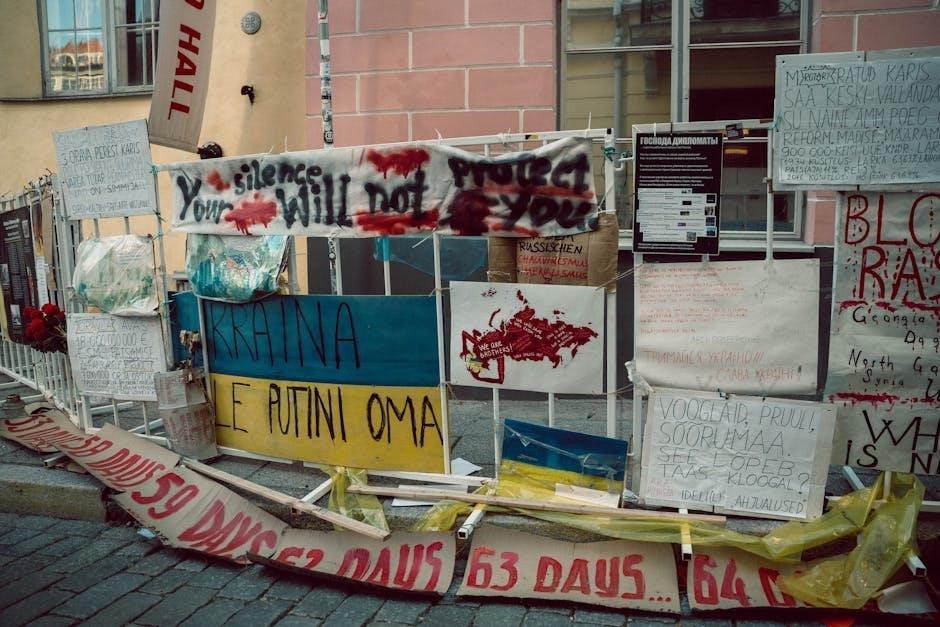
Lithuania held a particularly strong connection to “Voice of Freedom‚” serving as a primary target audience due to Soviet occupation and suppression of independent information. The broadcasts were a vital lifeline‚ providing news and cultural programming unavailable through state-controlled media. This connection is actively remembered and documented within Lithuania.
The Lithuanian National Commission for UNESCO’s exhibitions and commemorative events demonstrate the nation’s deep appreciation for the role “Voice of Freedom” played in preserving national identity and fostering resistance against Soviet rule. These initiatives often feature archival materials and personal testimonies.
While direct PDF downloads of specific Lithuanian-language “Voice of Freedom” broadcasts are scarce‚ research within Lithuanian archives and libraries may yield digitized content. Furthermore‚ exploring Lithuanian historical societies and online platforms dedicated to Soviet-era history could uncover relevant materials. The focus remains on preserving the memory and impact of the broadcasts within the Lithuanian context.
The Significance of “Voice of Freedom” Today
Despite the fall of the Soviet Union‚ “Voice of Freedom” remains profoundly significant as a historical example of information warfare and the power of independent journalism. Its legacy underscores the importance of access to unbiased news‚ particularly in regions facing authoritarian regimes or disinformation campaigns.
The challenges in locating comprehensive PDF downloads of the broadcasts highlight the broader issue of preserving Cold War-era media. Digitization efforts are crucial to ensure these historical records are accessible to future generations. The scarcity of readily available materials emphasizes the need for continued archival work;
“Voice of Freedom” serves as a reminder of the courage of journalists and broadcasters who risked their lives to deliver truth to those living under oppression. Its story resonates in today’s world‚ where media freedom is increasingly threatened. Studying its methods and impact offers valuable lessons for contemporary efforts to combat censorship and promote democratic values.
Leave a Reply
You must be logged in to post a comment.